Spring is in full swing here in the DFW area, and May is one of the busiest months of the year for gardeners. With warm weather arriving and intense summer heat just around the corner, what you do in May can make all the difference in your lawn and flower beds, and in your vegetable garden and landscape.
 Some gardeners say the biggest challenge to gardening in the DFW area is timing. While most cool-season annuals and tender perennials stop growing and begin to decline by late June and July, the same time that many warm-season annuals and perennials are just beginning to reach their prime, May is the time to give your lawn, vegetables, flower beds, and trees a final once-over before summer. It is the last chance to plant heat-tolerant annuals and perennials, to apply fertilizers and pest control products, to mulch, and to generally “get ready” for summer.
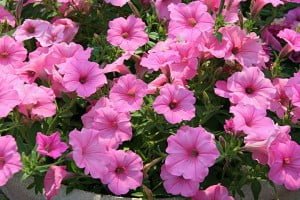
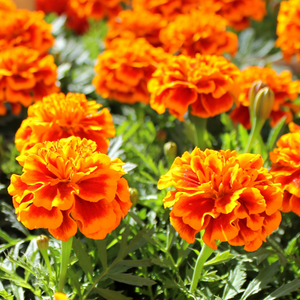
Planting summer annuals and vegetables is the main priority in May for your garden. There are many flowers that are perfect for the hot North Texas summer and will last all season long. Some of the most popular annuals for the summer include zinnias, marigolds, salvia greggii, periwinkles, coleus, and portulaca. And for you tropical plant lovers, hibiscus, mandevilla, and bougainvillea can be planted when the nights start to remain warm.
If you are growing a vegetable garden in Dallas/Fort Worth, now is the time to plant the warm-season crops. These plants thrive in North Texas’ warm weather and will produce an abundance of delicious vegetables throughout the long summer. Some of the warm-season crops that do particularly well in our area include okra, peppers, cucumbers, squash, sweet potatoes, melons, pumpkins, southern peas, and watermelon. Tomatoes that were planted in early spring are also likely to be growing rapidly by now. It is worth noting that while there are many varieties of tomatoes that do well in the spring, the smaller varieties and the cherry tomatoes tend to continue producing well into the summer when the larger slicers have begun to decline.
 As DFW weather can quickly go from heavy rain to droughty periods, it is essential to manage your garden’s water. Watering lightly every day for long periods of time will not provide enough water to create deep root systems to sustain your garden during periods of drought or extreme heat. In May, watering deeply once or twice per week will enable your plants to grow stronger root systems to withstand periods of heat and or drought. In addition to proper watering, mulching your garden, including areas around your trees, flowers, shrubs, and vegetables, is one of the best things you can do for your landscape in May. Mulch will help retain moisture in the soil as well as keep the soil cooler in the heat of summer. Also, mulch will suppress weeds, which can compete with your plants for water and nutrients. To get the most from mulching, apply a layer of compost on top of the mulch. The compost will aid in loosening clay-heavy soils found throughout the Metroplex, allowing for better root growth of your plants.
Don’t forget to mow, fertilize and aerate your lawn this May. Lawn grasses such as Bermuda grass and St. Augustine grass are at their strongest growth period for the season. Make sure you are mowing your grass at the correct mowing height for your variety of grass. For Bermuda grass, it is recommended that you mow it at a height of 1-1.5 inches. For St. Augustine grass, it is recommended that you mow it at a height of 2.5-3 inches. Mowing your grass too short can cause extreme stress to your lawn and open it up to weed invasion. Also, make sure you are aerating compacted areas of your lawn to allow for better water and nutrient penetration before the soil hardens in the summer.
Pests and diseases will start to be more active in your garden as the temperatures and humidity increase. Keep an eye out for signs of trouble with aphids, spider mites, caterpillars, chinch bugs and squash bugs. There are many garden pests that become active in late spring and if you catch them early enough, you should be able to prevent a full infestation before summer arrives. Fungal diseases, such as powdery mildew and black spot on roses, can develop rapidly during periods of high humidity.
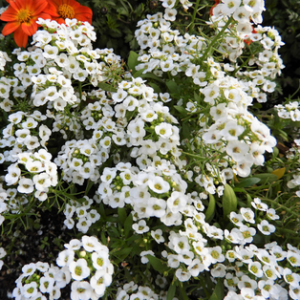 It is also very important to prune many of your plants in May. By cutting back the spring-blooming shrubs, you are ensuring that the plants have time to develop new buds for the following year. It is also important to remember to cut off the spent flowers of annuals and perennials in order to prompt them to continue to bloom throughout the summer. There are also several perennials that need to be left to die back naturally in order to allow the bulb to be able to store up energy for the following year. These plants include irises and daffodils.
Native plants are gaining in popularity. As more and more gardeners discover that native plants are excellent for reducing water usage and providing a constant source of nectar for bees and butterflies during the long hot summer, interest in native gardening is on the rise. Wildflowers, native grasses and other drought-tolerant plants are excellent for summer landscapes.
Gardening in the DFW in May is all about momentum. Plants are going gangbusters right now, and just as things are reaching their peak, the intense heat of summer will kick in and cause stress to many of the plants in your garden. However, by following some simple guidelines to prepare your garden for the summer ahead, you can ensure that your lawn and flower beds will thrive until the cooler weather of fall returns.