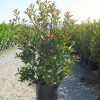
A colorful summer garden does more than brighten your landscape—it can also provide essential food and habitat for butterflies, bees, hummingbirds, and other beneficial pollinators. Pollinators play a critical role in the health of our ecosystems and help many plants produce flowers, fruits, and seeds. By choosing the right plants, you can enjoy vibrant blooms all summer long while supporting these important visitors.
If you’re gardening in North Texas, selecting heat-tolerant pollinator plants is especially important. The following plants thrive in our hot summers and provide continuous color while attracting a variety of pollinators.
Lantana
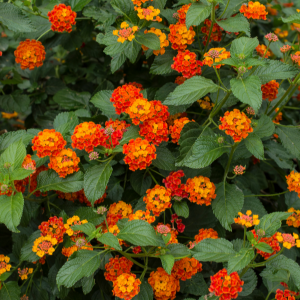 Lantana is one of the best pollinator plants for North Texas landscapes. Its clusters of brightly colored flowers bloom from late spring until frost and are highly attractive to butterflies and bees. Available in shades of yellow, orange, pink, red, purple, and white, lantana offers nonstop color even during periods of intense heat.
This drought-tolerant plant thrives in full sun and requires minimal maintenance once established. Whether planted in flower beds, borders, or containers, lantana is a reliable choice for gardeners who want maximum color with minimal effort.
Pentas
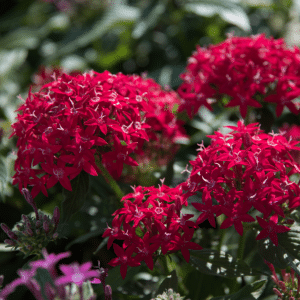 Pentas are often called “butterfly magnets” for good reason. Their star-shaped flower clusters attract butterflies, hummingbirds, and bees throughout the summer months. Pentas are available in vibrant shades of red, pink, lavender, purple, and white.
These heat-loving annuals perform exceptionally well in North Texas and continue blooming even during the hottest parts of summer. Plant them in full sun for the best flower production and pollinator activity.
Salvia
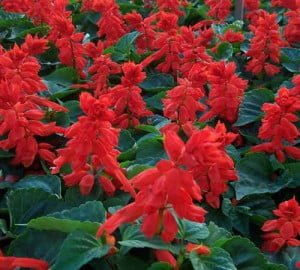 Salvias are among the most versatile pollinator plants available. Varieties such as Salvia greggii, commonly known as Autumn Sage, produce colorful blooms that attract hummingbirds, butterflies, and bees.
Salvias are prized for their drought tolerance, long bloom period, and ability to thrive in full sun. Flower colors range from red and pink to purple and white, making them easy to incorporate into virtually any landscape design.
Coneflower
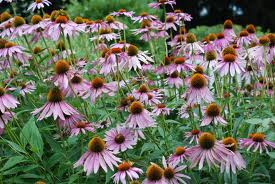 Coneflowers are native favorites that provide beauty and pollinator benefits throughout the summer. Their large daisy-like blooms attract bees, butterflies, and other beneficial insects, while their seed heads later provide food for birds.
Coneflowers are exceptionally tough plants that tolerate heat, drought, and poor soil conditions. They are available in traditional purple as well as newer varieties featuring yellow, orange, red, and white flowers.
Milkweed
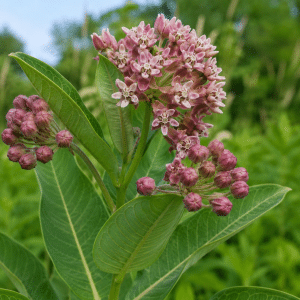 No pollinator garden is complete without milkweed. This native plant serves as the host plant for monarch butterflies, providing a place for them to lay eggs and food for developing caterpillars.
In addition to supporting monarchs, milkweed flowers attract numerous species of butterflies, bees, and other pollinators. Its colorful blooms add beauty to the garden while contributing to monarch conservation efforts.
Marigolds
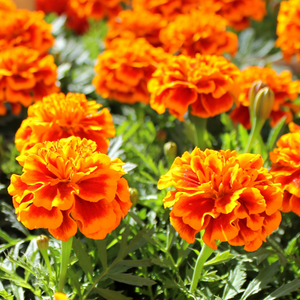 Marigolds are classic summer annuals that offer bright, cheerful color and attract pollinators throughout the growing season. Their yellow, orange, and gold flowers bloom continuously when spent flowers are removed regularly.
Easy to grow and highly adaptable, marigolds perform well in flower beds, borders, and containers. Their long-lasting blooms help keep pollinators returning to your garden all season long.
Creating a Pollinator-Friendly Garden
When designing a pollinator garden, variety is key. Incorporate plants with different flower shapes, colors, and bloom times to attract a wider range of pollinators. Planting in groups or clusters also makes flowers easier for pollinators to locate.
Be sure to provide a water source and avoid broad-spectrum pesticides whenever possible. Many insecticides can harm beneficial pollinators along with unwanted pests.
Mulching around plants can help conserve soil moisture and reduce weed competition, especially during the hot North Texas summer. Regular watering during establishment will help your pollinator plants develop strong root systems and provide reliable blooms throughout the season.
Enjoy Color and Support Pollinators
Adding pollinator-friendly plants to your landscape is one of the easiest ways to create a more vibrant and environmentally beneficial garden. Plants such as lantana, pentas, salvia, coneflower, milkweed, and marigolds provide months of colorful blooms while attracting butterflies, hummingbirds, bees, and other beneficial insects.
Visit your local plant nursery to explore the many pollinator-friendly options available and create a garden that is both beautiful and buzzing with life all summer long.