Description
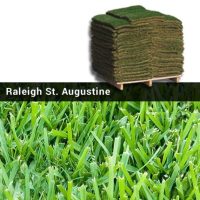
Raleigh St. Augustine Sod Pallets
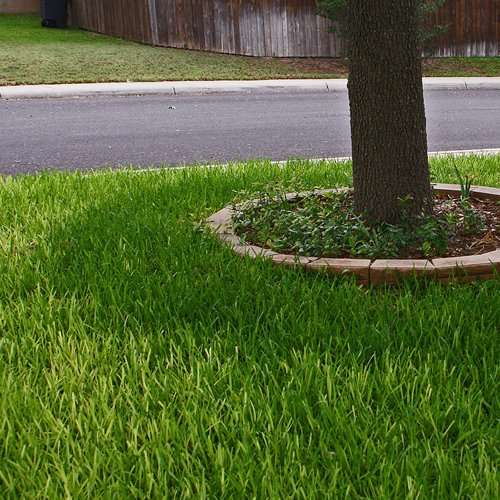
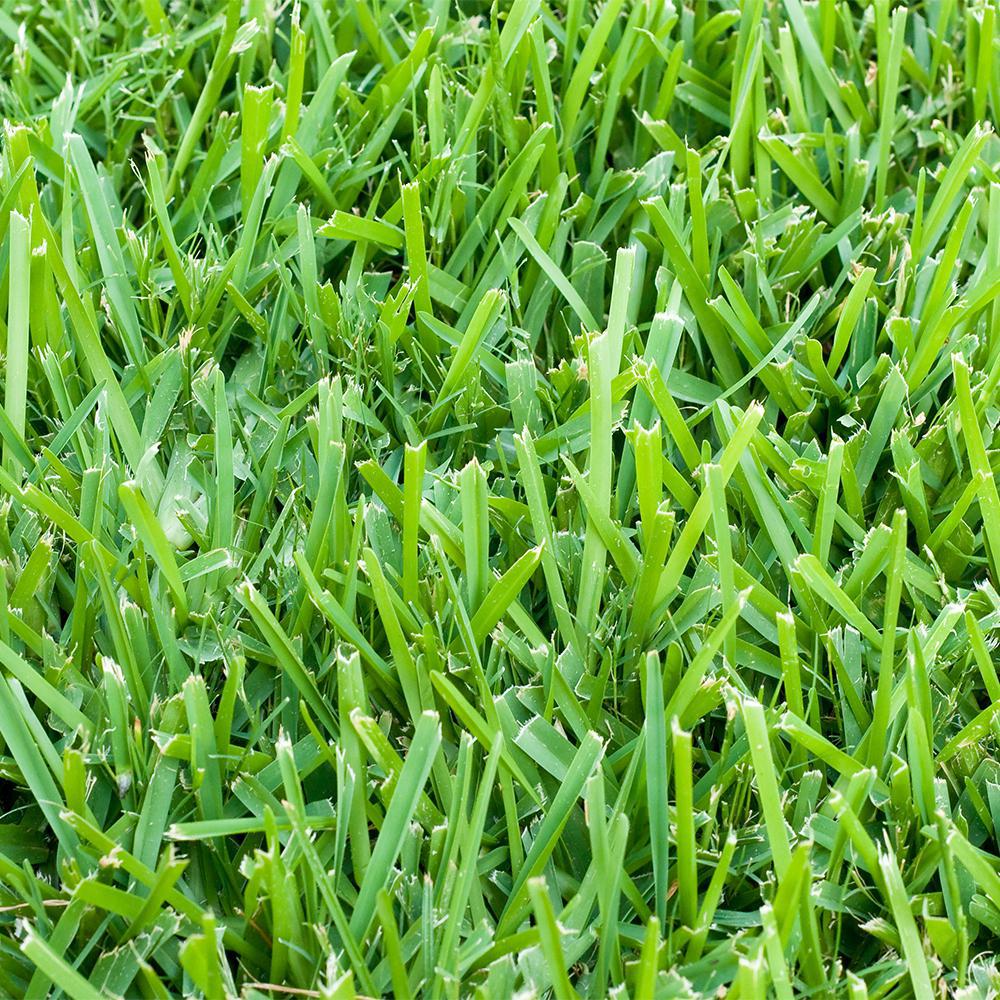
Raleigh St. Augustine Sod is a popular choice for lawns in the Dallas Fort Worth area. It is a cold-hardy grass that is resistant to a variety of diseases and pests. Raleigh St. Augustine has a deep root system, which makes it drought-tolerant.
Key characteristics of Raleigh St. Augustine sod
- Lush Green Color. One of the standout features of Raleigh St. Augustine is its vibrant emerald-green color, which provides an attractive, inviting look to any landscape.
- Shade Tolerance. In comparison to other warm-season grasses, Raleigh St. Augustine exhibits good shade tolerance, making it an excellent choice for lawns with partial sun or trees.
- Drought Tolerance. While Raleigh St. Augustine prefers moist conditions, it can tolerate short periods of drought without severe damage. Regular watering during dry spells will help maintain its vigor.
- Heat Tolerance. Raleigh St. Augustine excels in high-temperature environments, keeping its lush appearance even during scorching summers.
- Cold-Hardy. Raleigh St. Augustine can withstand temperatures as low as 15 degrees Fahrenheit.
- Dense Growth. Raleigh St. Augustine forms a dense, thick turf that is resistant to weeks.
- Easy to Care For. Raleigh St. Augustine is relatively easy to care for. It requires regular mowing, watering, and fertilizing.
- Versatility. Raleigh St. Augustine sod can thrive in a wide range of soil types, from sandy to clay, making it a versatile choice for various landscapes.
Palmetto St. Augustine Sod Pallets

Palmetto St. Augustine is the most popular lawn grass in North Texas, known for its thick blades in sunny environments. It is a spreading grass that is invasive and even chokes out some weeds. St. Augustine is dormant in the winter months, greening up when low temperatures are in the 50s.
- Local delivery is available to the Dallas Fort Worth metropolitan area only
- $150 local delivery (2 pallet minimum)
- $5 Pallet fee refundable upon return
- Prices are valid for online home delivery orders only
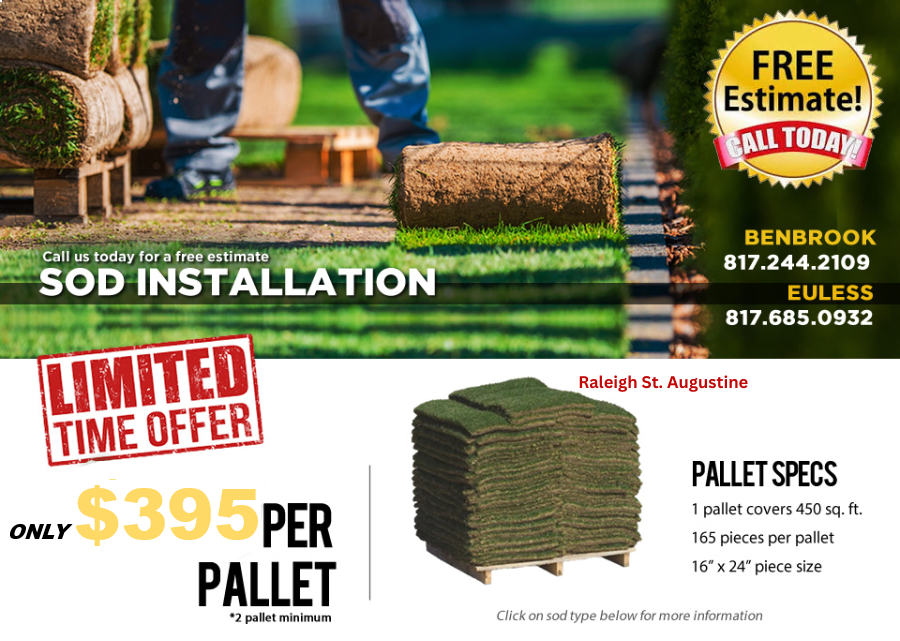
- St. Augustine Palmetto Sod Pallets cover 450 square feet or 50 square yards with 165 pieces of 16″ x 24″ piece
- Water for 15 minutes in the morning and evening until the grass is established.
- Sun Requirements
- There is a 2-pallet minimum. You will not be able to check out unless you have met the minimum pallet requirement.
- ***Call the store for availability
Click for Frequently Asked Questions (FAQ)
FAQ: Questions and Answers
Is St. Augustine sod right for North Texas? Yes. St. Augustine is a warm-season grass that thrives in hot summers and plenty of sun. It goes dormant in colder winter conditions, so expect seasonal browns. With proper irrigation and care, it’s a great fit for many North Texas yards.
Which St. Augustine varieties work best in this area? Common options include Raleigh and Palmetto. Raleigh is very heat-tolerant while Palmetto tends to perform better in partial shade. Your choice depends on sun exposure, shade, and traffic.
Do I need professional installation? Professional installation ensures proper ground prep, good soil contact, and reliable moisture during rooting. It typically results in a faster, more even establishment than DIY placement.
When is the best time to install St. Augustine in North Texas? – Late spring to early summer is ideal when soil temps are warm but not extreme. Early fall is also workable. Avoid installing during the peak of deep winter or the height of summer heat.
How long does it take for the sod to establish? Roots begin to establish within 2–3 weeks. A dense, mature lawn usually takes 4–8 weeks to develop, depending on weather, irrigation, and maintenance.
How much should I water St. Augustine sod after installation? During the first 2–3 weeks, water daily or every other day to keep the top 1–2 inches of soil moist. After establishment, aim for about 1 inch of water per week, adjusting for heat and rainfall.
What mowing height is best for St. Augustine? Mow at 2.5–3 inches for a healthy, thick lawn. In hotter months or shaded areas, you can raise it to 3–4 inches. Keep mower blades sharp to avoid cutting too much at once.
How do I fertilize St. Augustine sod? Start fertilization after the lawn has rooted well (usually a few weeks after installation). Use a balanced, slow-release fertilizer formulated for warm-season grasses, following label directions. Avoid fertilizing during dormancy periods.
Are there common pests or diseases I should watch for? Yes. Chinch bugs, grubs, and sod webworm can affect St. Augustine. Diseases like brown patch and gray leaf spot can occur in wet, humid conditions. Proper irrigation (avoidoverwatering) and mowing height help prevent issues; contact a local lawn care pro if you notice trouble.
Do you offer delivery or full-service installation? Yes. We offer fresh, locally grown sod with delivery options and, if you’d like, full installation services including ground prep, levelling, and watering guidance.
Visit one of our convenient Euless and Brenbrook plant nursery locations for your pallets of St. Augustine sod, or call us to discuss your requirements.