Description
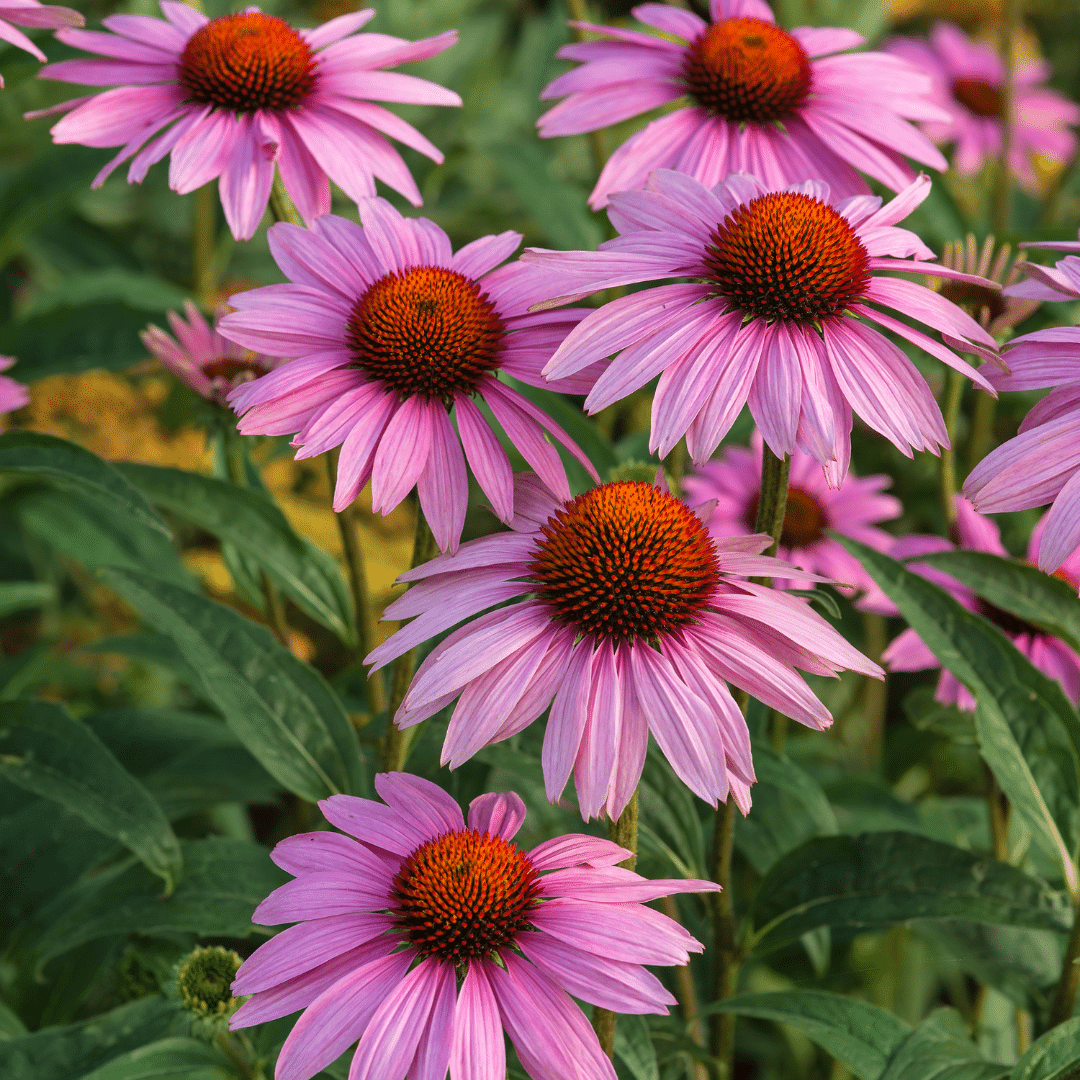
Coneflower (Echinacea purpurea and related species) is a sturdy, charming perennial that brightens gardens with daisy-like blossoms and brings a touch of wildflower drama to borders, beds, and pollinator-friendly landscapes. Native to North America, coneflowers are prized for their hardiness, long bloom periods, and wildlife benefits. They typically grow 2 to 4 feet tall, with upright stems that bear large, showy flower heads featuring a central cone surrounded by soft, drooping petals in shades of pink, purple, or white. The iconic coneflower is not only beautiful but adaptable, thriving in a range of soils and light conditions when given decent drainage and regular care.
Planting and growing
Coneflowers prefer full sun and well-drained soil. They are reasonably drought-tolerant once established, making them a reliable choice for gardens with variable rainfall. To establish a healthy bed, work in compost or organic matter to improve soil structure and fertility. Space plants about 18 to 24 inches apart to allow air circulation and reduce disease risk. Mulching helps conserve moisture and suppress weeds. Deadheading spent flowers can prolong blooming and encourage a neater appearance, while cutting back in late fall or early spring helps maintain vigor.
Care and maintenance
Coneflowers are relatively low maintenance. They benefit from an application of balanced fertilizer in early spring and a light pruning after flowering to keep plants compact. In regions with harsh winters, a light mulch can protect root crowns. Watch for common pests such as aphids or Japanese beetles, and manage diseases by ensuring good drainage and avoiding overhead watering. Dividing clumps every few years keeps plants vigorous and prevents overcrowding.
Botanical and ecological value
Beyond beauty, coneflowers are prized for their ecological role. They attract pollinators like bees and butterflies, supporting local ecosystems and improving garden health. They also create seed heads that feed birds in late fall and winter. Several cultivars are available, offering a spectrum of colors and sizes to suit different garden styles—from cottage borders to contemporary landscapes.
Tips for designers and home gardeners
Choose a sunny, well-drained site and pair coneflowers with grasses, coreopsis, and other prairie-style perennials for a cohesive look. Consider planting in drifts for maximum visual impact, and use taller varieties toward the back of borders. With proper care, coneflowers thrive year after year, earning their place as a reliable, attractive centerpiece in any garden.
FAQs About Coneflower (Lantana camara)
1. How much sun do coneflowers need? In general, coneflowers are full sun perennials that require at least 6-8 hours of sun per day to flower profusely. However, some species may tolerate light shade, and flower as well, though not as profusely.
2. Are coneflowers drought tolerant? Yes. Once established coneflowers have matured and have established a deep root system, they can handle heat and drought just fine and are a low maintenance plant.
3. When do coneflowers bloom? For around 2-3 months from the time of flowering, the blooms will come in full force and stop only when the flower has dropped its petals. By removing the spent flower, the coneflower will put out more blooms.
4. Do coneflowers attract butterflies and bees? Yes. These plants are well known to attract butterflies and bees, including hummingbirds and other pollinators.
5. How tall and wide do coneflowers get? Most varieties grow to be around 2-4 feet tall and 1-2 feet wide but there are compact and dwarf versions of the plant.
6. What colors do coneflowers come in? Coneflowers typically are available in a variety of colors including; Purple, Pink, White, Orange, Yellow, Red, Coral, and even Multi-colored varieties!!!
7. Do coneflowers spread? Coneflowers gradually form larger clumps in time. Some of them self-seed, however, in general, Coneflowers are not considered to be invasive.
8. Can coneflowers grow in pots or containers? Yes. The compact varieties of coneflowers make great container plants as long as the pot has good drainage and is in full sun.
9. How often should coneflowers be watered? Water newly planted Echinacea regularly. Established plants require only an occasional deep water during dry weather.
10. What type of soil is best for coneflowers? Conflowers grow best in well-drained soils but tolerate the poorest of soils. They will not tolerate a soggy wet soil though.
11. Should coneflowers be deadheaded? Removing spent flowers or seed heads (deadheading) encourages coneflowers to produce more flowers, and keeps them looking their best. However, seed heads left on the plant provide winter interest and are eaten by birds, such as goldfinches.
Visit one of our two Fort Worth area plant nursery locations, or call us for more information.