The post Top Pollinator Plants for Summer Color appeared first on Premier Nursery - Plant Nursery.
]]>If you’re gardening in North Texas, selecting heat-tolerant pollinator plants is especially important. The following plants thrive in our hot summers and provide continuous color while attracting a variety of pollinators.
Lantana
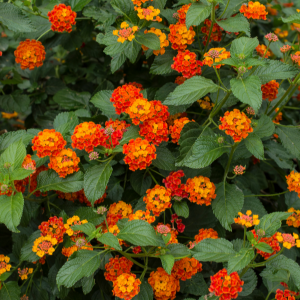 Lantana is one of the best pollinator plants for North Texas landscapes. Its clusters of brightly colored flowers bloom from late spring until frost and are highly attractive to butterflies and bees. Available in shades of yellow, orange, pink, red, purple, and white, lantana offers nonstop color even during periods of intense heat.
This drought-tolerant plant thrives in full sun and requires minimal maintenance once established. Whether planted in flower beds, borders, or containers, lantana is a reliable choice for gardeners who want maximum color with minimal effort.
Pentas
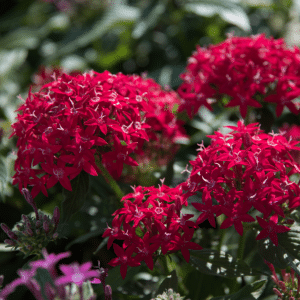 Pentas are often called “butterfly magnets” for good reason. Their star-shaped flower clusters attract butterflies, hummingbirds, and bees throughout the summer months. Pentas are available in vibrant shades of red, pink, lavender, purple, and white.
These heat-loving annuals perform exceptionally well in North Texas and continue blooming even during the hottest parts of summer. Plant them in full sun for the best flower production and pollinator activity.
Salvia
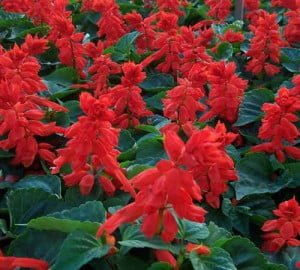 Salvias are among the most versatile pollinator plants available. Varieties such as Salvia greggii, commonly known as Autumn Sage, produce colorful blooms that attract hummingbirds, butterflies, and bees.
Salvias are prized for their drought tolerance, long bloom period, and ability to thrive in full sun. Flower colors range from red and pink to purple and white, making them easy to incorporate into virtually any landscape design.
Coneflower
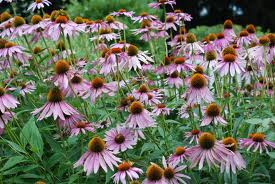 Coneflowers are native favorites that provide beauty and pollinator benefits throughout the summer. Their large daisy-like blooms attract bees, butterflies, and other beneficial insects, while their seed heads later provide food for birds.
Coneflowers are exceptionally tough plants that tolerate heat, drought, and poor soil conditions. They are available in traditional purple as well as newer varieties featuring yellow, orange, red, and white flowers.
Milkweed
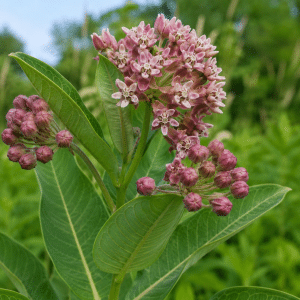 No pollinator garden is complete without milkweed. This native plant serves as the host plant for monarch butterflies, providing a place for them to lay eggs and food for developing caterpillars.
In addition to supporting monarchs, milkweed flowers attract numerous species of butterflies, bees, and other pollinators. Its colorful blooms add beauty to the garden while contributing to monarch conservation efforts.
Marigolds
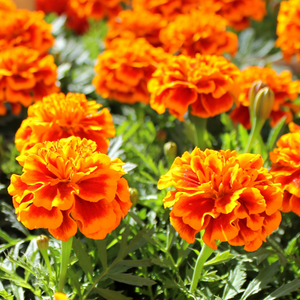 Marigolds are classic summer annuals that offer bright, cheerful color and attract pollinators throughout the growing season. Their yellow, orange, and gold flowers bloom continuously when spent flowers are removed regularly.
Easy to grow and highly adaptable, marigolds perform well in flower beds, borders, and containers. Their long-lasting blooms help keep pollinators returning to your garden all season long.
Creating a Pollinator-Friendly Garden
When designing a pollinator garden, variety is key. Incorporate plants with different flower shapes, colors, and bloom times to attract a wider range of pollinators. Planting in groups or clusters also makes flowers easier for pollinators to locate.
Be sure to provide a water source and avoid broad-spectrum pesticides whenever possible. Many insecticides can harm beneficial pollinators along with unwanted pests.
Mulching around plants can help conserve soil moisture and reduce weed competition, especially during the hot North Texas summer. Regular watering during establishment will help your pollinator plants develop strong root systems and provide reliable blooms throughout the season.
Enjoy Color and Support Pollinators
Adding pollinator-friendly plants to your landscape is one of the easiest ways to create a more vibrant and environmentally beneficial garden. Plants such as lantana, pentas, salvia, coneflower, milkweed, and marigolds provide months of colorful blooms while attracting butterflies, hummingbirds, bees, and other beneficial insects.
Visit your local nursery to explore the many pollinator-friendly options available and create a garden that is both beautiful and buzzing with life all summer long.
The post Top Pollinator Plants for Summer Color appeared first on Premier Nursery - Plant Nursery.
]]>The post What Annuals Should I Plant This Spring appeared first on Premier Nursery - Plant Nursery.
]]>Plan first, plant smart
- Know your sun exposure: Full sun (6+ hours), partial shade, or shade will determine which annuals thrive. Most DFW beds love sun, but some spots stay cooler and brighter with afternoon shade.
- Prepare the soil: DFW soils are often alkaline and may be heavy clay. Improve drainage and texture with compost or well-rotted organic matter. A light, fast-draining potting mix works well for containers.
- Water wisely: Deep, infrequent watering encourages deep roots. Aim for about 1 inch of water per week, more during hot spells. Mulch to conserve moisture and suppress weeds.
- Timing: Plant after the last frost risk in your area has passed, typically in late February to early March for many parts of DFW. For containers, you can plant a little earlier and refresh as needed.
Best cool-season annuals for early spring color
These keep bloom going while the days are still cool and the nights aren’t blazing hot yet:
- Pansies and violas: Classic cool-season performers with a wide color palette and good night-time hardiness.
- Snapdragons: Tall spikes of color, great for borders or the back of beds; they tolerate cooler nights.
- Dianthus and calendula: Fragrant and long-lasting, adding texture and a warm color mix.
- Dusty Miller and ornamental grasses: Excellent for contrast and filler around brighter blooms.
Tips: Space according to tag recommendations, deadhead faded flowers to extend bloom, and water in the morning to reduce disease.
Best warm-season annuals to carry color into summer
As the heat rises, switch in or layer in these sun-loving standouts:
- Petunias and calibrachoa (million bells): Workhorse summer color in beds and containers; choose heat-tolerant varieties and provide steady moisture.
- Zinnias: Bright, long-blooming, and excellent for cutting gardens. They love sun and heat and come in many sizes.
- Marigolds and cosmos: Easy-to-grow options that tolerate heat, with cheerful yellows, oranges, and pinks.
- Vinca (Catharanthus roseus): Very heat- and drought-tolerant, with long-lasting blossoms in hot weather.
- Portulaca (moss rose): Sun lovers with a carefree, drought-tolerant habit and vibrant colors.\n- New Guinea impatiens or shade-loving begonias: If you have shaded or part-shaded spots, these provide continuous color without scorching in the afternoon heat.
- Lantana and pentas: Excellent for pollinators and often used in containers or landscape beds where heat is intense.
Tips: Mix large, bold blossoms with trailing textures for visual interest. Use mulch to retain moisture and protect roots.
Color ideas and combinations
- Monochrome impact: Create a single-color bed, using various bloom shapes and leaf textures to add depth.
- Complementary contrasts: Pair purples with yellows or blues with oranges for a high-energy look.
- White and green accents: Use white blooms with chartreuse foliage or dusty miller for a fresh, modern feel that lifts other colors.
- Edible or fragrance accents: Think herbs like basil or rosemary near flowering annuals for scent and utility.
Maintenance that makes a difference
- Deadhead regularly to encourage continuous flowering.
- Fertilize with a balanced, slow-release fertilizer at planting, then follow label directions for ongoing feeding.
- Watch for pests common to our area (aphids, spider mites, and whiteflies). If you see trouble, start with a simple spray of water or insecticidal soap and adjust as needed.
- Rotate plantings each season to avoid soil-borne diseases and keep colors fresh.
Where to buy and what to ask for
Seek locally grown varieties labeled as heat-tolerant or DFW-friendly. Ask the Premier Nursery staff for recommendations tailored to your sun exposure and water schedule. Choose disease-resistant cultivars when possible and group plants with similar water needs together to simplify care.
Getting started
Spring is the perfect time to experiment with color and texture in Dallas-Fort Worth. Start with a few cool-season staples for early impact, then layer in heat-tolerant performers to carry you through late spring and into summer. The Premier Nursery staff can help you plan, select, and maintain your Spring annuals. With smart prep, careful placement, and a little regular care, your spring garden in DFW will reward you with weeks of color, hoverflies and hummingbirds, and a landscape you’re proud to show off.
See our Spring Color Annuals.
The post What Annuals Should I Plant This Spring appeared first on Premier Nursery - Plant Nursery.
]]>